
Welcome to the New Keller Supply Website - Our new website is now live. Enjoy improved product search, enhanced navigation, and an upgraded online experience. We welcome your feedback as you explore the new site.
loading content
MIFAB® FLC-5 Flow Control Fitting With 2 in Vent Connection, 1-1/4 in Integral Orifice Hole, 3 in, No-Hub, Iron
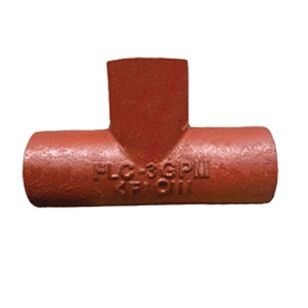
MIFAB® FLC-5 Flow Control Fitting With 2 in Vent Connection, 1-1/4 in Integral Orifice Hole, 3 in, No-Hub, Iron
MIFAB® Flow Control Fitting, FLC Series, 3 in Fitting, Connection Type: No-Hub, Iron, 7 in Overall Length, For Use With: MI-G-5 and Lil-25 Interceptors, Additional Information: 25 gpm Flow Rate
Why Create an Account?
- Ability to track orders
- More Options & Savings
- Amazing Customer Service
$1,032.00 / ea
Out of Stock
- Attributes
- Additional Information
- Documents
- Marketing Information
Attributes
BrandMIFAB®
Additional Information25 gpm Flow Rate
Connection TypeNo-Hub
Fitting Size3
IndustryPlumbing
MaterialIron
Overall Length7
SeriesFLC Series
Suitable For Use Withmi-G-5 and Lil-25 Interceptors
Additional Information
ASME A112.14.3 Type C
Marketing Information
Flow control fittings ensure 90% or more grease retention efficiency of the interceptor. When consideration isn't given to the flow rate of the waste water to be handled, the actual flow rate through the interceptor usually exceeds its rated maximum. With such flow rate, the interceptor would be overloaded. Retention time within the unit would not be sufficient for maximum separation. The result would be low efficiency, and pollutants left in the waste water would pass through the interceptor, making the installation less than effective. When the flow is controlled by use of a MIFAB® flow control fitting so that it can never exceed the maximum rating of the interceptor, and the interceptor is cleaned on a regular basis, the maximum pollutant retention efficiency will be achieved and maintained. All flow control fittings are built with an air intake and should be connected to the vent stack or vent not lower than the flow level of the highest drain serviced or terminated in a return bend at the same elevation outside of the building. A vented flow control fitting improves the efficiency of the grease interceptor by introducing air into the body of the interceptor. As the air bubbles rise to the surface, they are coated with grease. This process brings grease to the surface faster, and, as a result, increases the efficiency.
MIFAB® FLC-5 Flow Control Fitting With 2 in Vent Connection, 1-1/4 in Integral Orifice Hole, 3 in, No-Hub, Iron
BrandMIFAB®
MFG #FLC-5
Keller #862375
My Part ##
Last Ordered#
$1,032.00 / ea